Oven Will Not Turn On? Why a Range Will Not Start
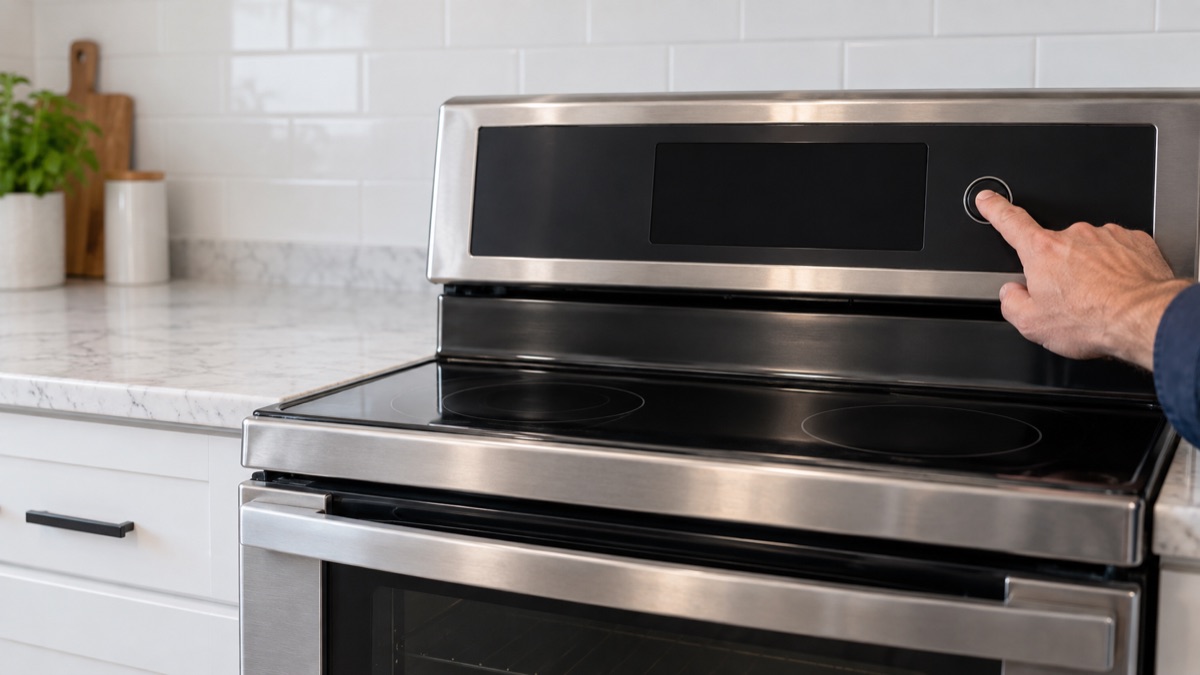
When an oven or range will not turn on, the whole unit or just the oven may stay dead. Usually, a blown fuse, a tripped breaker, or a failed control is the cause. First, confirm the range has power at both legs of the 240 volt supply. Then, work through the parts below.
Parts to inspect for an oven or range that will not turn on
1. Fuses
For a no-start, a blown fuse is the first thing to rule out. A thermal fuse or line fuse cuts power to protect the range if a circuit overheats. When a fuse blows, part of the oven or the whole range goes dead. Therefore, test each fuse for continuity and find the fault that tripped it. Replace a blown fuse, but fix the cause first, or the new one will blow again.
2. Broil Element
A dead short in the broil element can trip the range and block start-up. The broil element is the upper element that gives high heat for broiling. When it fails, you get little or no heat on broil. The coil may also show a break or a burned spot. So inspect the element for damage and test it for continuity. Replace the broil element if it is broken or reads open.
3. Bake Element
Likewise, a shorted bake element can keep the range from turning on. The bake element is the lower element that heats the oven for baking. When it burns out, you get little or no heat. The coil may also show a break or a blistered spot. Therefore, inspect the element for damage and test it for continuity. Replace the bake element if it is broken or reads open.
4. Surface Burner Element
A grounded surface element can also stop the whole range from starting. The surface burner element is the coil that heats a pot on an electric cooktop. When it burns out or breaks, that burner stays cold while the others still work. Therefore, swap the element with one from a good burner of the same size to test it. If the burner then heats, the original element is bad, so replace it.
5. Oven Temperature Sensor
If the control reads a shorted sensor at power-up, it may refuse to start. The oven temperature sensor reports the cavity temperature to the control so it can hold the set heat. When it drifts or fails, the oven runs cold, runs hot, or throws an error. So measure the sensor resistance, which should read near 1080 ohms at room temperature. Replace the sensor if the reading is off or open.
6. Infinite Switch
A failed infinite switch can leave a burner circuit dead at start. The infinite switch sets how much power reaches a surface element, so it controls the heat level. When it fails, the burner stays off, stays full on, or will not adjust. Therefore, test the switch for continuity as you turn the knob. Replace the infinite switch if it does not send power at the right settings.
7. Electronic Control Board
When nothing lights at all, the control board is a prime suspect for a no-start. The electronic control board runs the oven, reads the sensor, and switches the elements or gas valve. When it fails, the oven may not heat, hold temperature, or respond to the pad. So look for burnt spots and relays that will not click, and confirm it powers each output. Replace the board if it no longer controls the oven.
8. Oven Safety Valve
On a gas model, a shorted safety valve can also stop start-up. The oven safety valve releases gas to the bake burner once the igniter is hot enough. When the valve fails, the igniter glows but the burner never lights. Therefore, confirm the igniter draws proper current first, since a weak igniter is the usual cause. Replace the valve only after the igniter tests good but the burner still will not light.
9. Hot Surface Igniter
On a gas range, a failed igniter circuit can block the start sequence. The hot surface igniter glows to light the gas, and it also signals the safety valve to open. When it weakens, it may still glow yet no longer draw enough current to open the valve. So watch it glow, then test its resistance and the current it pulls. Replace the igniter if it is cracked, stays dark, or reads out of range.
Get the parts
We supply OEM and replacement parts in bulk. Browse the Appliance Parts catalog, or request a bulk quote for volume orders.
Is the range old or failing often? So weigh a repair against a new unit, and browse complete ranges and ovens when a replacement makes more sense.
Most of the time, an oven or range that will not turn on traces back to one worn part. So replace it, then run a short test and confirm the fix.
In short, when an oven will not turn on, start with the fuses and the power supply, then work through the control.