Freezer Not Cooling? Causes, Checks, and Parts to Replace
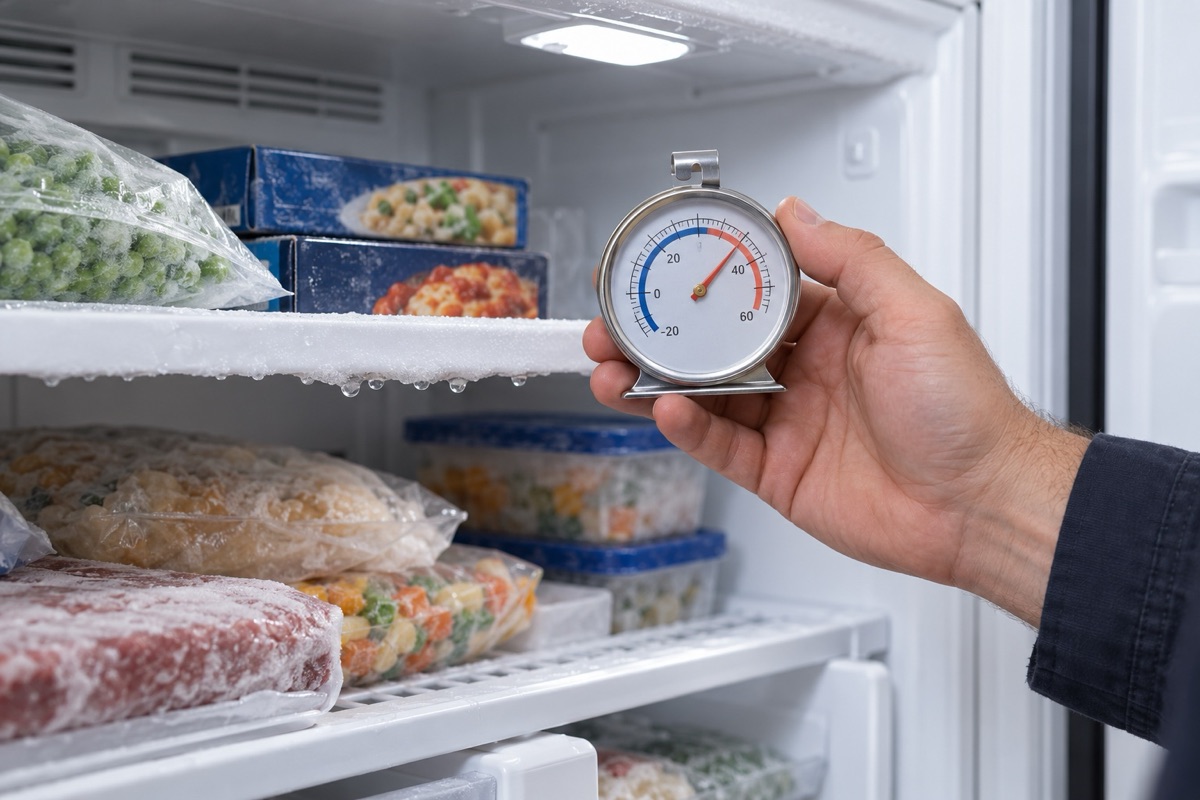
A freezer not cooling leaves the cabinet warm while the light and the display may still look normal. Usually, a failed temperature control, a bad electronic board, or a stuck defrost timer is the cause. First, confirm the freezer still has power and a cold setting. Then, work through the controls below, and rule out the sealed system last.
Parts to inspect for a freezer not cooling
1. Temperature Control or Thermostat
When the freezer will not cool, a control stuck in the off position is the first thing to rule out. The temperature control, often a cold control thermostat, senses the freezer temperature and switches the compressor on and off to hold the set point. When it fails, it may keep the compressor off, so the freezer warms, or hold it on, so the freezer runs cold. Therefore, turn the dial through its range and listen for the switch to click. Test it for continuity, and replace the control if it will not pass power at a cold setting.
2. User Control or Electronic Display Board
If the freezer stays warm with a cold setting, a failed board may not be starting the compressor. On newer freezers, an electronic control board reads a sensor and runs the compressor and defrost based on the panel settings. When the board fails, the temperature drifts, the display acts up, or the freezer stops responding to the controls. So confirm the sensor reads correctly first, since a bad sensor can fool a good board. Replace the control board if the panel sets a temperature the freezer never reaches.
3. Defrost Timer
A timer stuck in defrost keeps the compressor off, so the freezer slowly warms. The defrost timer cycles the unit between normal cooling and a short defrost period that clears the evaporator coils. When it sticks in cooling, frost packs the coils until airflow drops. When it sticks in defrost, the compressor never runs. Therefore, advance the timer by hand and watch the unit switch modes. Replace the timer if it will not move the unit out of a mode on its own.
Check the basics before you open the freezer
Before you test any part, rule out the simple causes. First, confirm the freezer is plugged in and the outlet has power. Then, make sure the control is set cold enough, since a bumped dial can warm the whole cabinet. Next, give the coils room to breathe, because a packed freezer or blocked vents cut airflow. Often, a quick check here saves you a part.
Get the parts
We supply OEM and replacement parts in bulk. Browse the Appliance Parts catalog, or request a bulk quote for volume orders.
Is the freezer old or failing often? So weigh a repair against a new unit, and browse complete freezers and refrigerators when a replacement makes more sense.
Most of the time, a freezer that is not cooling traces back to one worn part. So replace it, then run a short cooling test and confirm the fix.