Freezer Repair Guide: Symptoms, Parts, and Wholesale Supply
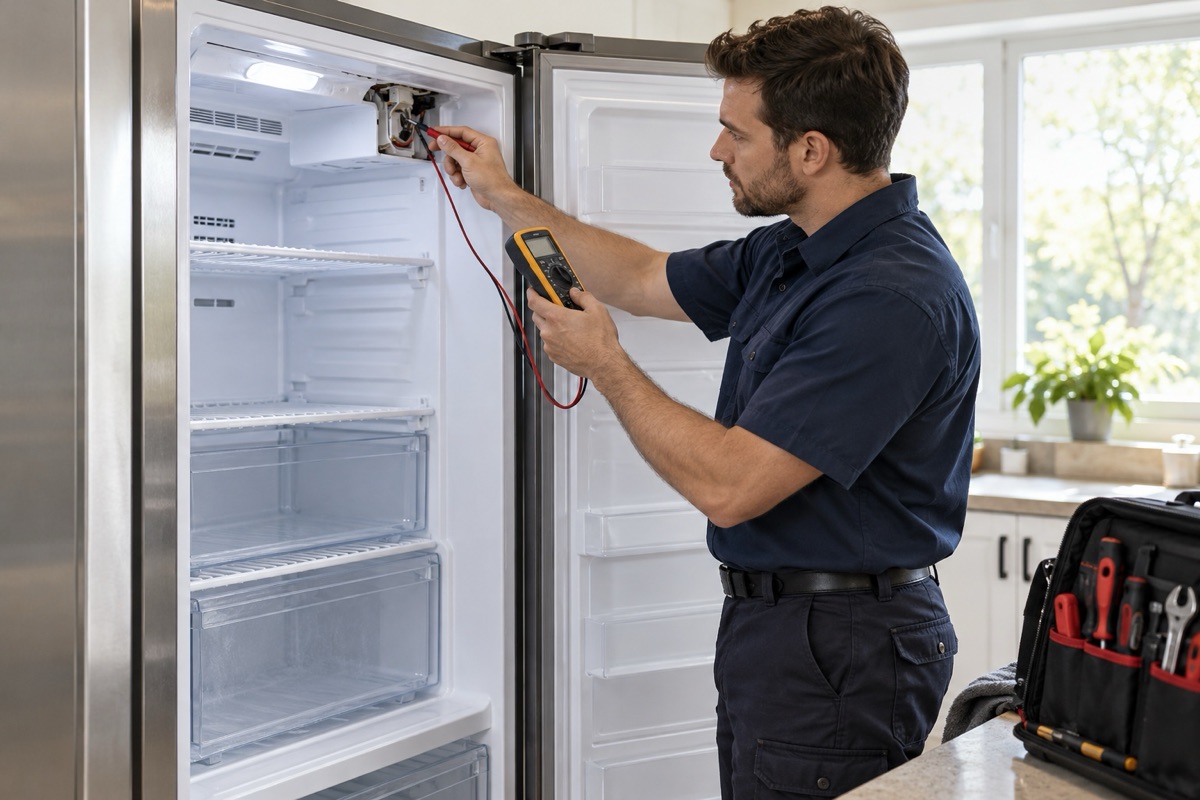
This freezer repair guide helps technicians and service teams diagnose a unit fast. First, pick the symptom that matches the problem. Then, follow the checks and identify the parts you need. Because we supply freezer parts in bulk, you can also source replacements in one place. The guide covers upright freezers, chest freezers, and the freezer section of a refrigerator.
Pick your freezer symptom
Each guide lists the likely causes and the parts to inspect. Moreover, every check starts with the safest step first.
- Freezer not cooling
- Freezer too cold
- Freezer frost buildup
- Freezer running constantly
- Freezer making loud noise
- Freezer not working or will not start
How to use this freezer repair guide
Each symptom page follows the same simple order. First, it explains what the part does. Then, it shows how to check or test it. Finally, it flags the safety steps to take before you start. As a result, a technician can move from symptom to fix without guesswork. In addition, every page links to the parts you may need.
Freezer parts and units we supply
When a repair is not worth it, a replacement unit is often the better call. Therefore, we stock both parts and complete freezers for wholesale buyers. Moreover, we ship in volume, so service companies and retailers can keep the right parts on hand.
- Replacement components: Appliance Parts catalog
- Complete units: Freezers, refrigerators and more
- Install and hookup: Installation Kits
- Related guides: Refrigerator Repair Guide and the full Repair Hub
Bookmark this freezer repair guide, and start with the symptom that matches your unit. In short, the right part is usually one page away.